Win/Lose- A mindset of competition, which is obviously important in areas such as athletics. When dealing with people, this is useful in opening doors in the short-term, but damaging because it closes them in the long-term by deteriorating relationships which could've been useful later.
Lose/Win- Being conciliatory and letting other people have their way and giving in.
Lose/Lose- An eye for an eye, even if it hurts me just as bad if not worse. This is born of revenge or spite, obsession with someone else's downfall will hurt your own life in the process.
Win- I have to get my way, if it hurts you or benefits you makes no difference to me. This can be defined by Covey as a quality of independence but not interdependence.
Win/Win and Win/Win or No Deal- This is where the money is. Covey covered his tracks by stating that not all situations are Win/Win or are meant to be Win/Win. "Cooperation" on a test would clearly be cheating academically, and trying to cooperate athletically so that neither team loses is ludicrous. What the author writes, though, is that most encounters between human beings need to be Win/Win. Cooperation is key in moving things along, a prime example of this can be found in our bicameral legislature.
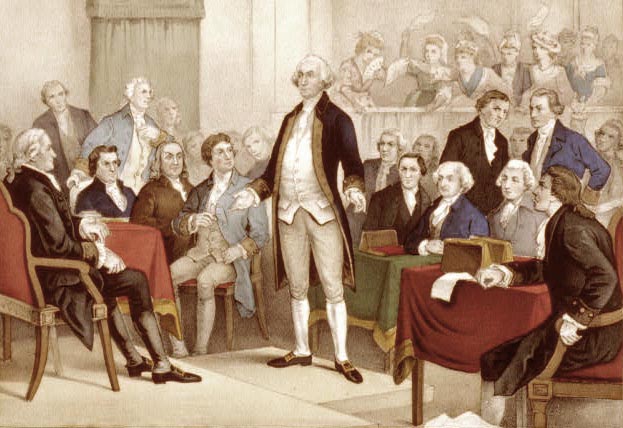
If opposing sides of a disagreement (e.g. two win/lose people) clash and continually disagree, then the situation becomes lose/lose because no law is passed and nothing is done to address the problem. If one side is constantly conciliatory and gives in to the demands of the other, then the power of one side can run unchecked. But if both sides approach it with a win/win attitude, things will get done and bills will be passed that sufficiently please both sides. Sometimes, though, an agreement cannot be reached, in which case No Deal must be offered.

"The best choice depends on reality" was probably my favorite excerpt. The tone of the passage is as follows: nothing is set in stone, but you have to approach everything with confidence and open-mindedness to have the courage to press on when you need to, and the wisdom to hold back and listen when you don't. This can be applied to the Army by having the confidence to override the opinions of your men when necessary, while keeping an open ear to what your NCOs are saying. The win/win approach here would often involve a combination of your efforts with that of the NCOs to put something more refined on the table than if you'd blindly insisted on following your plan or given in by letting the NCOs immediately follow theirs.

good point about win/win framework with war. bring that up in class and we can examine.
ReplyDeleteI agree that athletics are win/lose. Win/win could only happen if everybody wins a trophy, and if everybody wins a trophy, then that trophy doesn't mean anything. I wish Covey would have addressed athletics a little better.
ReplyDelete